Myth of the Week
“Cashews attract alien life forms.” Spoiler: they don’t, but they do attract hungry friends.

Snack smarter, laugh louder, and bust bogus nut lore one crunchy fact at a time.
Subscribe for weekly myth-busting
“Cashews attract alien life forms.” Spoiler: they don’t, but they do attract hungry friends.
Welcome to Cashew Myths — your go-to spot for cracking open the truth about cashews! Whether you snack on them daily or just love saying the word “cashew,” we’re here to separate fact from fiction. We keep things friendly and fun while sharing real science, kitchen-tested tips, and global food stories.
Believe it or not, cashews don’t grow inside a typical shell like almonds or walnuts. They hang beneath the cashew apple — a bright yellow or red fruit — like a tiny curved tail. The outer casing contains urushiol (the irritant also found in poison ivy), which is why cashews are heat-treated before they ever reach your bowl.
This myth is roasted beyond recognition. Cashews are rich in heart-friendly fats, magnesium, and plant-based protein. A 28-gram serving delivers roughly 5 g protein and 12 g healthy fats (USDA data). Enjoy them in sensible portions and choose lightly salted or unsalted varieties.
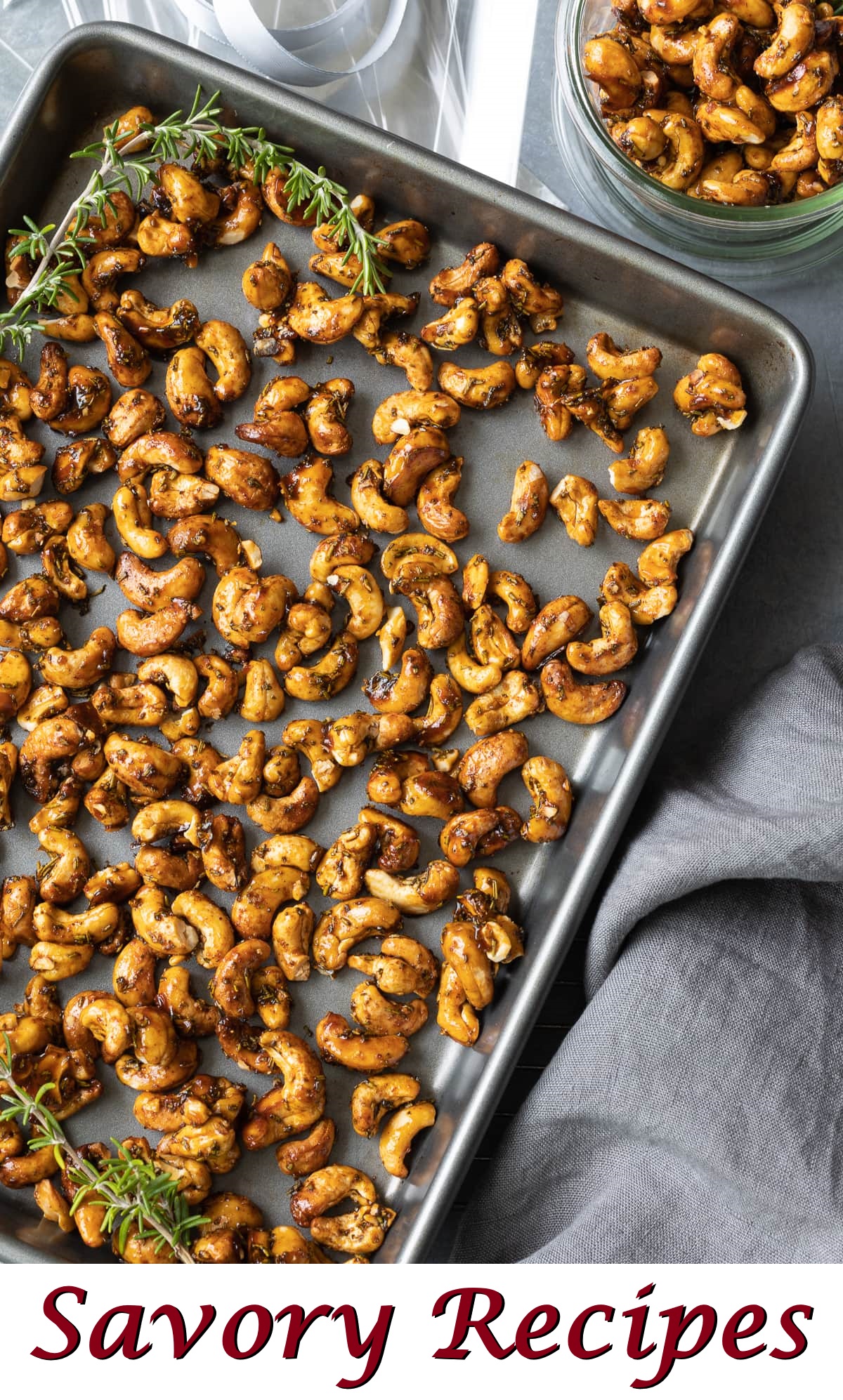
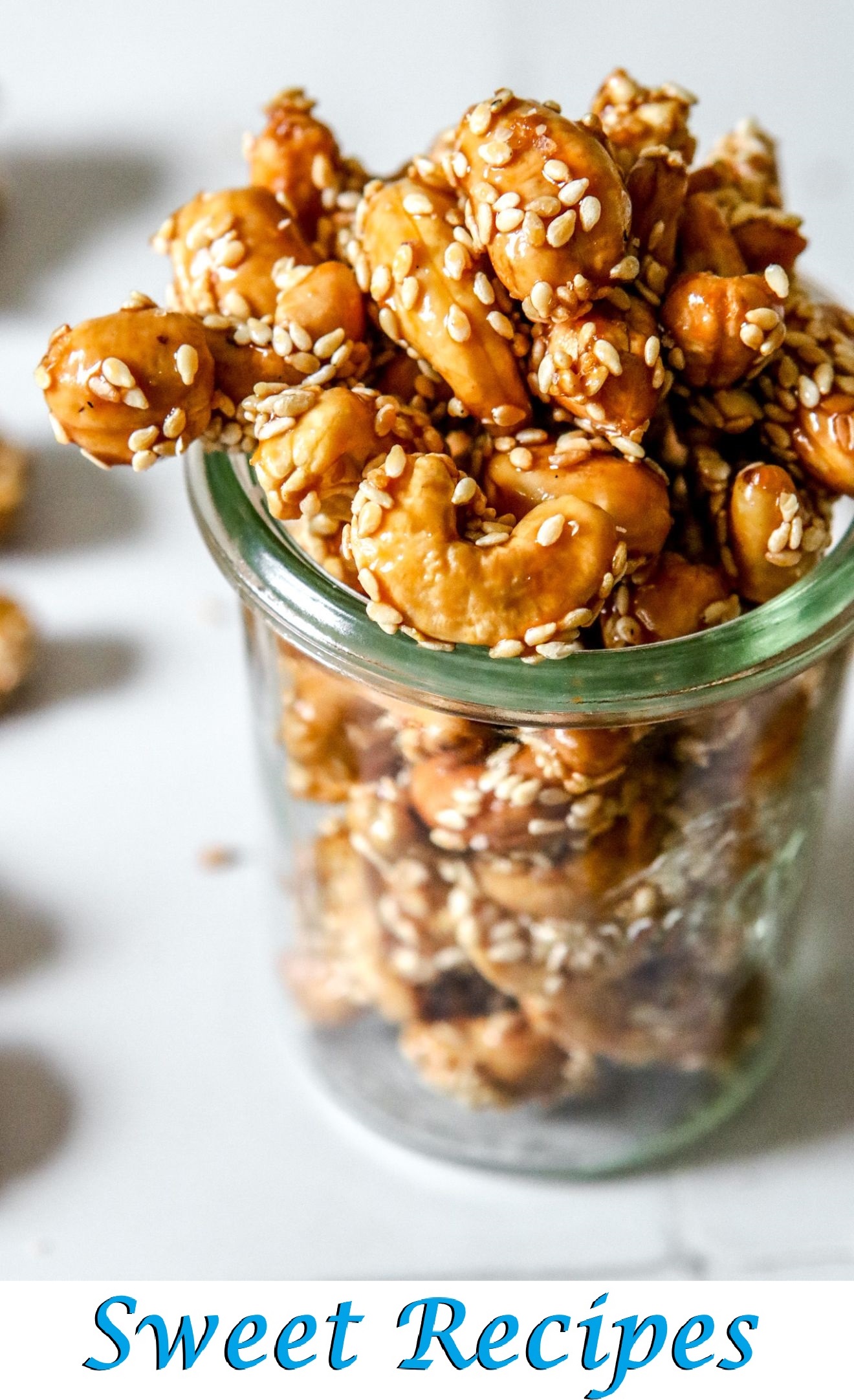
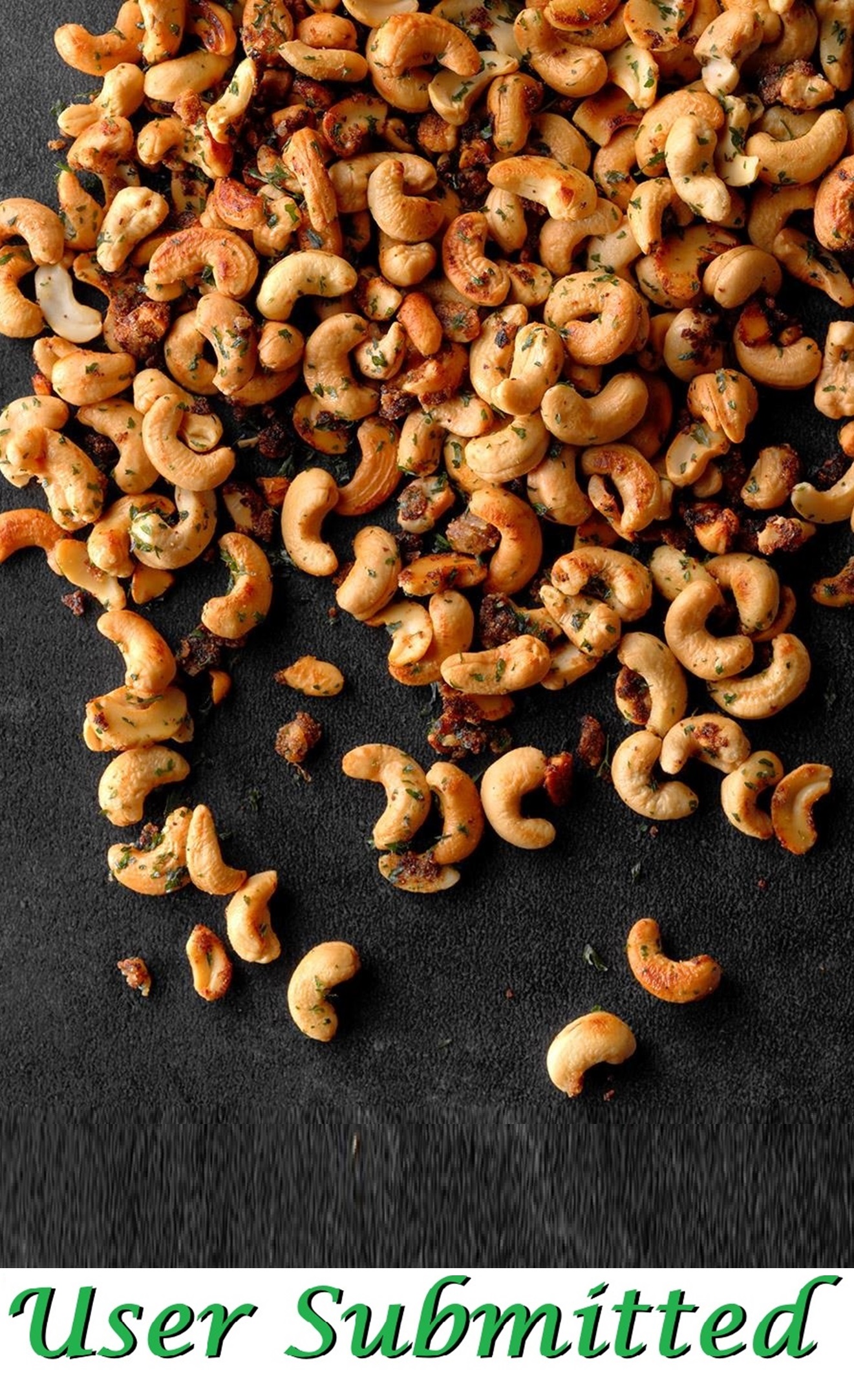
If you’ve only ever eaten cashews by the handful, you’re missing out. Blend them into ultra-creamy sauces, quick dairy-free “cheese,” silky soups, or cookie-friendly crumbles.
Cashews aren’t just snackable; they’re a compact source of nutrients that support an overall balanced diet. A typical 28-gram (1-ounce) serving provides plant-based protein, unsaturated fats, and minerals like magnesium and copper that contribute to energy metabolism and bone health. While calorie-dense, cashews can fit into weight- conscious eating patterns when portion sizes are respected—think a small handful instead of an open-bag free-for-all. Choose unsalted or lightly salted varieties if you’re watching sodium, and pair cashews with fiber-rich foods (like fruit or whole grains) to feel satisfied longer. For dairy-free eaters, soaked cashews blend into rich sauces and spreads that deliver creaminess without lactose. As always, talk to a qualified health professional if you have specific dietary needs.
Cashews grow in tropical regions, and responsible sourcing matters. Look for suppliers who publish information on worker safety, environmental practices, and fair compensation. At home, reduce waste by storing cashews in airtight containers away from light and heat so they last longer. If you buy in bulk, split your purchase: keep a small jar handy for weekly snacking and freeze the rest to lock in freshness. If a recipe calls for cashew pieces rather than whole nuts, consider buying pieces—they’re often more affordable and reduce demand for cosmetic sorting. Small choices like these add up to a more sustainable pantry.
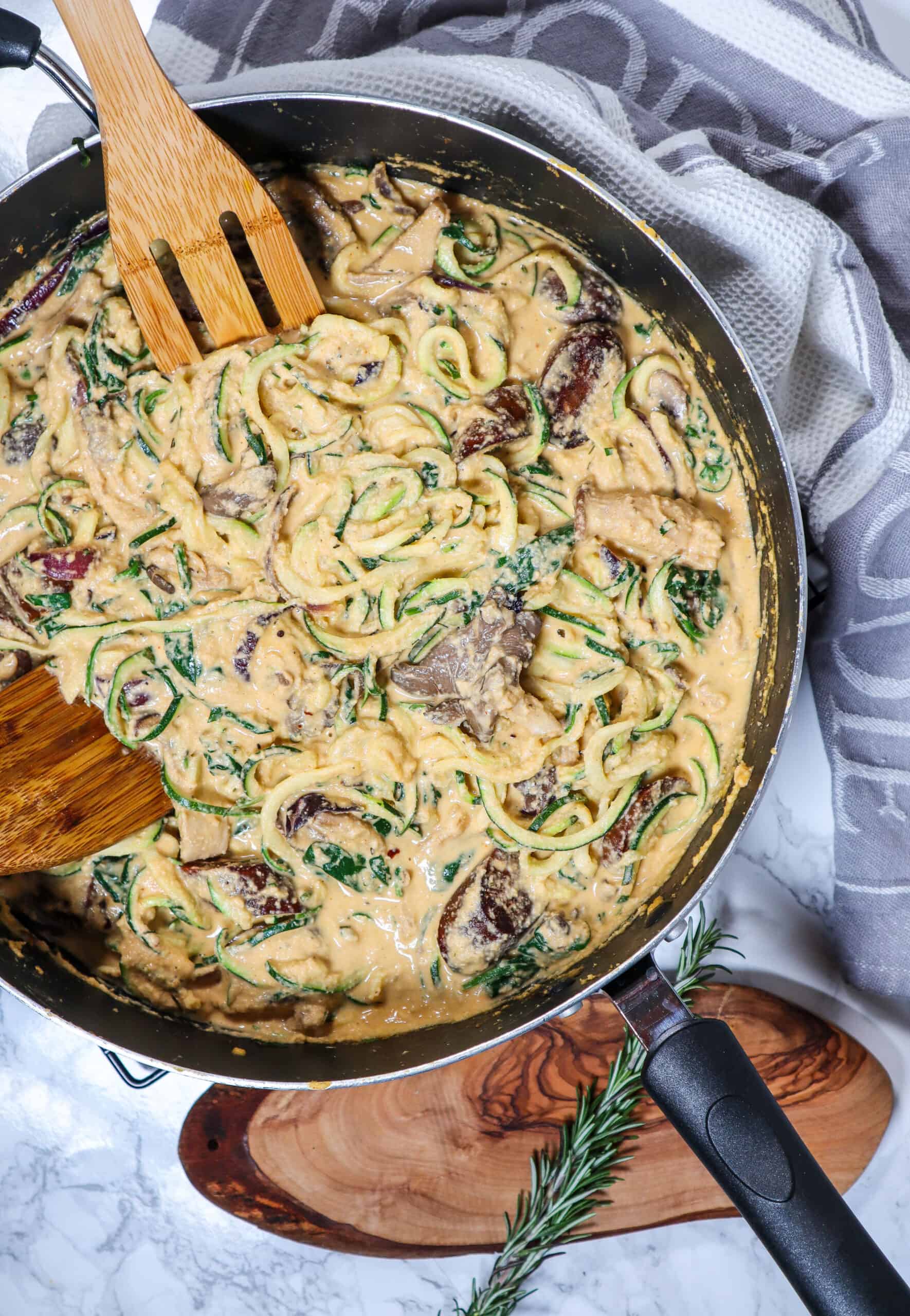
For ultra-smooth sauces and spreads, soaking is your friend. Quick soak: cover raw cashews in just-boiled water for 20–30 minutes; long soak: room-temperature water for 2–4 hours. Drain, then blend with fresh water until silky. From there, customize: add garlic and lemon for a simple pasta sauce, miso for a savory dip, or dates and vanilla for a dessert cream. Cashews also add body to soups—blend a small handful with broth and fold it back in for instant silkiness. In baking, finely chopped cashews bring crunch to cookies, bars, and crumble toppings.
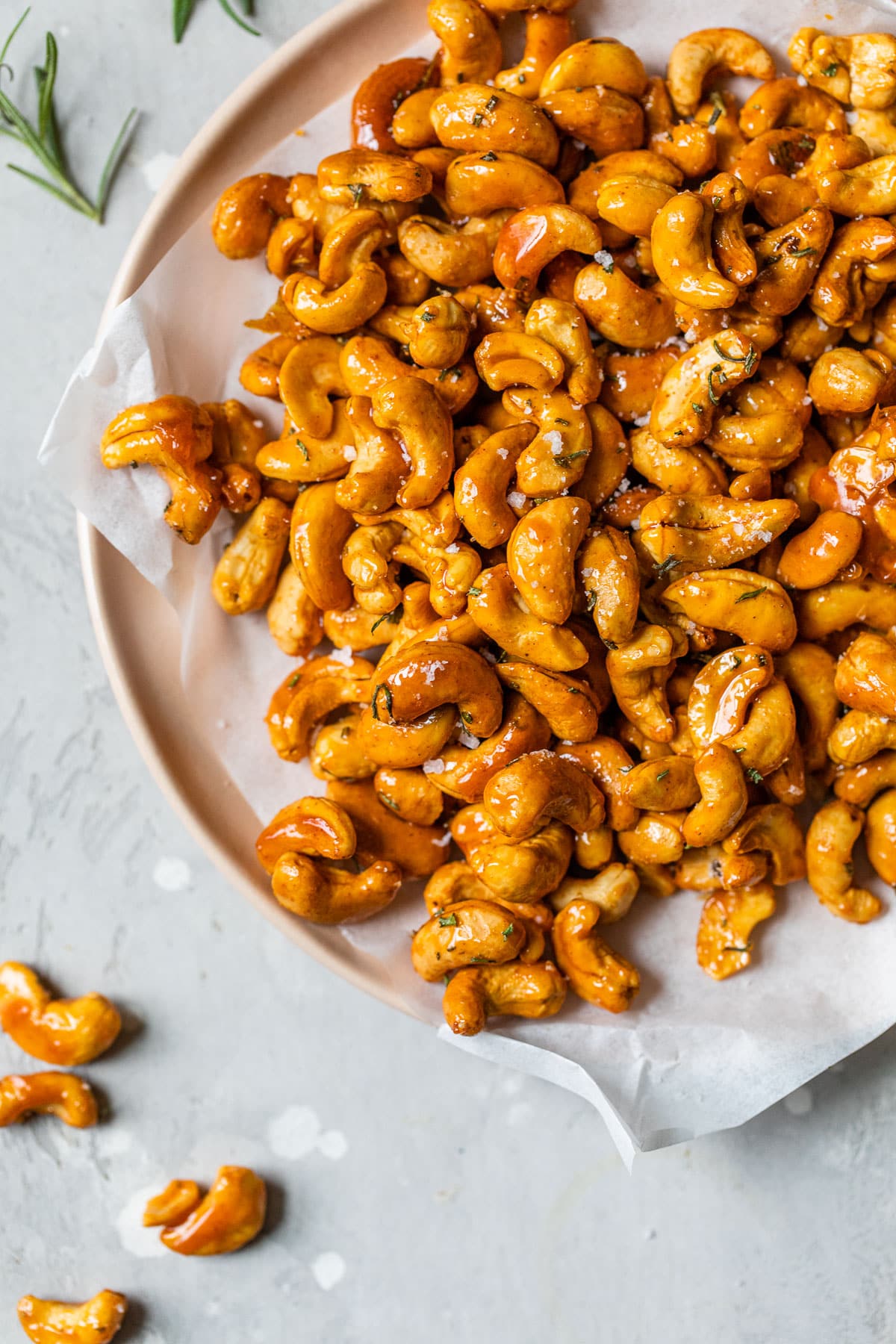
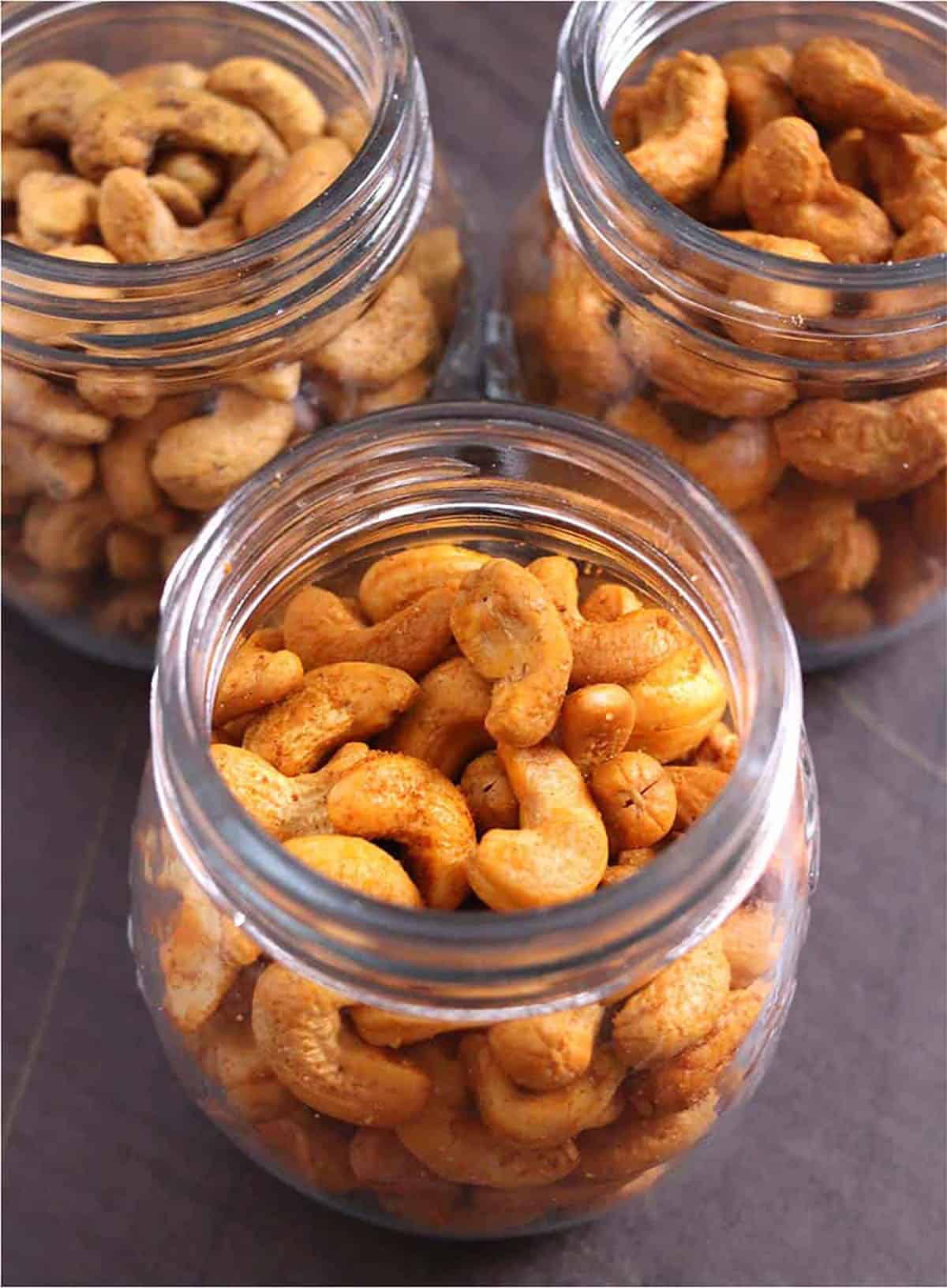
Explore dessert-leaning ideas like cinnamon-maple clusters, sesame-honey crunch, and cocoa-dust cashews. They’re great as ice-cream toppers, yogurt mix-ins, or lunchbox treats. If your sweet tooth is strong, balance sugar with a pinch of salt and a dab of nut butter for depth.
Raw cashews sold for snacking have been heat-treated; that removes urushiol found in the outer shell, which can irritate skin. If you have a tree-nut allergy, consult your healthcare provider—cashews are tree nuts and may not be appropriate. Store sealed cashews away from moisture and strong odors (nuts can absorb surrounding aromas). If your cashews smell paint-like or bitter, they may be rancid—discard them.
Hi, I’m Cash Yu, a professional food blogger and passionate advocate for all things cashew. From roasted snacks to decadent cashew cream sauces, I’ve dedicated my career to exploring every flavor, fact, and fascinating detail about this versatile nut.
Heard a wild cashew rumor? Got a favorite recipe? Send it in! Join our community of curious snackers who love learning the truth behind every crunchy bite.
Subscribe: email iamcashyu@gmail.com with the subject “Nut-ify me!”
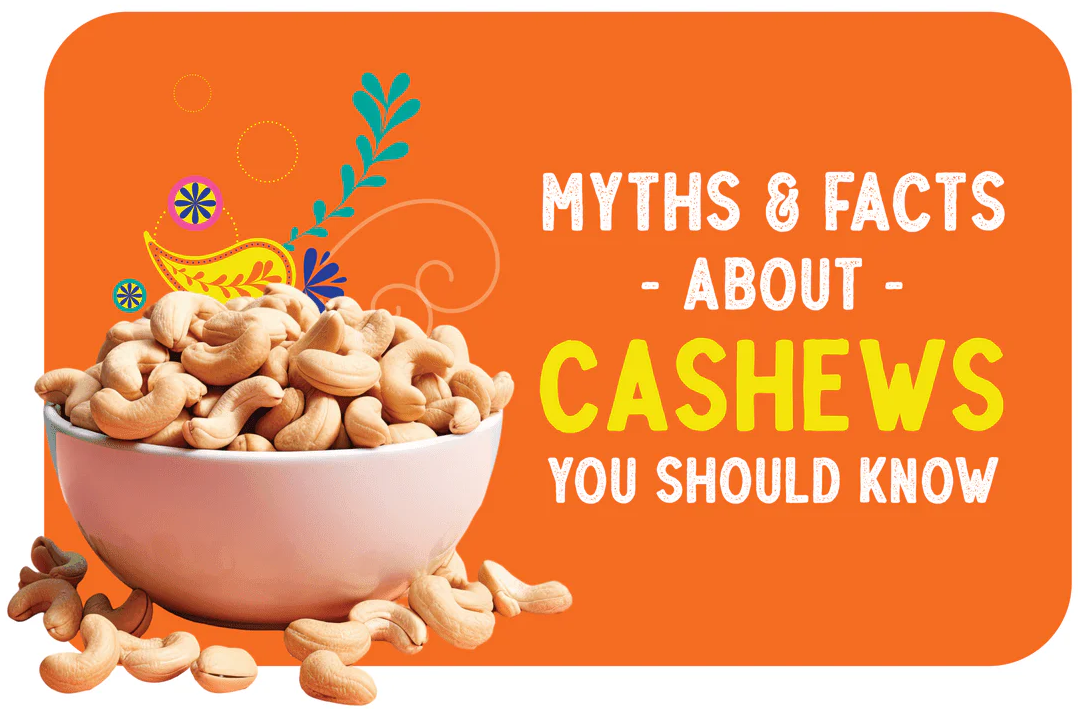
Jump straight to our new cashew health deep-dive →
Recently, more people have been wondering whether cashews are truly a smart, healthy snack or simply a salty temptation. A detailed article from Cleveland Clinic helps answer that question with evidence-based clarity. The piece explores how cashews can support heart health, blood sugar control and balanced snacking habits — which fits perfectly with our mission at Cashew Myths to separate crunchy truth from crunchy fiction.
Registered dietitian Julia Zumpano explains that
cashews have a creamy flavor and texture that sets them apart from other nuts
,
which is part of what makes them so satisfying. Beyond taste, the article highlights their mix of
unsaturated fats, plant-based protein and minerals like magnesium and copper. Together, these nutrients can
support healthy cholesterol levels and blood pressure when cashews are eaten in sensible portions rather than
bottomless handfuls.
One of the biggest myths the article helps bust is the idea that “high-calorie” automatically means “unhealthy.” Cashews are calorie-dense, but that doesn’t make them villains. The key is portion control: a small handful (about 28 grams) offers satisfying crunch, flavor and nutrients without overwhelming your daily energy needs. The Cleveland Clinic team recommends lightly salted or unsalted options to keep sodium in check, making cashews a smarter choice than many ultra-processed snack foods.
The article also spotlights how versatile cashews can be in everyday cooking. For people who are lactose intolerant or leaning into more plant-forward eating, soaked cashews can be blended into creamy sauces, soups and spreads that rival traditional dairy in texture. Used this way, cashews aren’t just a quick nibble — they become a tool for building satisfying, nutrient-conscious meals.
Overall, the message is refreshingly balanced: cashews won’t magically cure chronic conditions, but swapping sugary or highly processed snacks for a reasonable portion of nuts is a practical step most people can take toward better eating habits. That’s exactly the kind of realistic, myth-busting approach we love here on Cashew Myths: enjoy your snacks, know what’s in them and let good information guide your next handful.
Want to read the full breakdown? Check out the original article here:
Are Cashews Good for You? – Cleveland Clinic
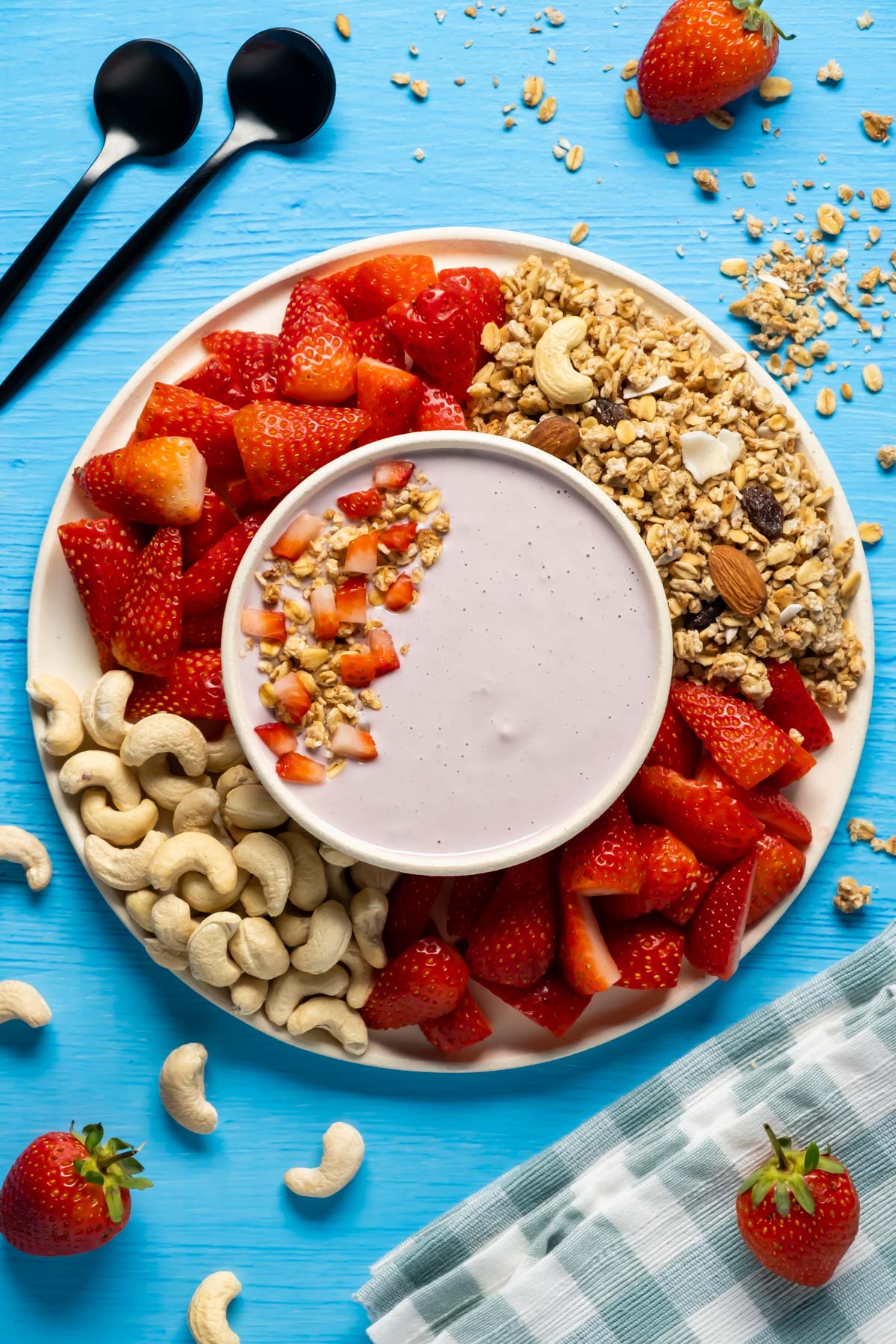
My go-to picnic spot is Rundle Park in Edmonton. It has wide open lawns, shaded trees and plenty of room to spread out a blanket and share a cashew-loaded snack board. From downtown, head northeast on Wayne Gretzky Drive, follow the signs for 118 Avenue, then turn east and continue following the river valley signs into Rundle Park. Pack some honey-roasted cashews, a chilled drink and a good playlist for a relaxed, low-stress afternoon.
Location and driving route verified using Google Maps.